
Dr. Felipe Orsi — from character to circulation
By Bertran Evarini
A vertical AI film connecting a character's discomfort to the way veins work. Planning, editing and sound for a PB Marketing Digital production.
My role: Planning, editing and sound. Workflow using Magnific Spaces, Nano Banana 2 and Kling 3.0.
The challenge: giving an explanation a visual form
How do you tell a story about something happening inside the body? In this project for Dr. Felipe Orsi, a vascular surgeon, the explanation of venous insufficiency needed to move through three scales: everyday experience, visible signs on the legs and the internal workings of veins.
My work involved planning the visual sequence, editing and sound, based on a script by Vitor Fumagali. The production is by PB Marketing Digital. The aim of the visual construction was to connect those scales without losing the character who carries the story.
One character, different situations
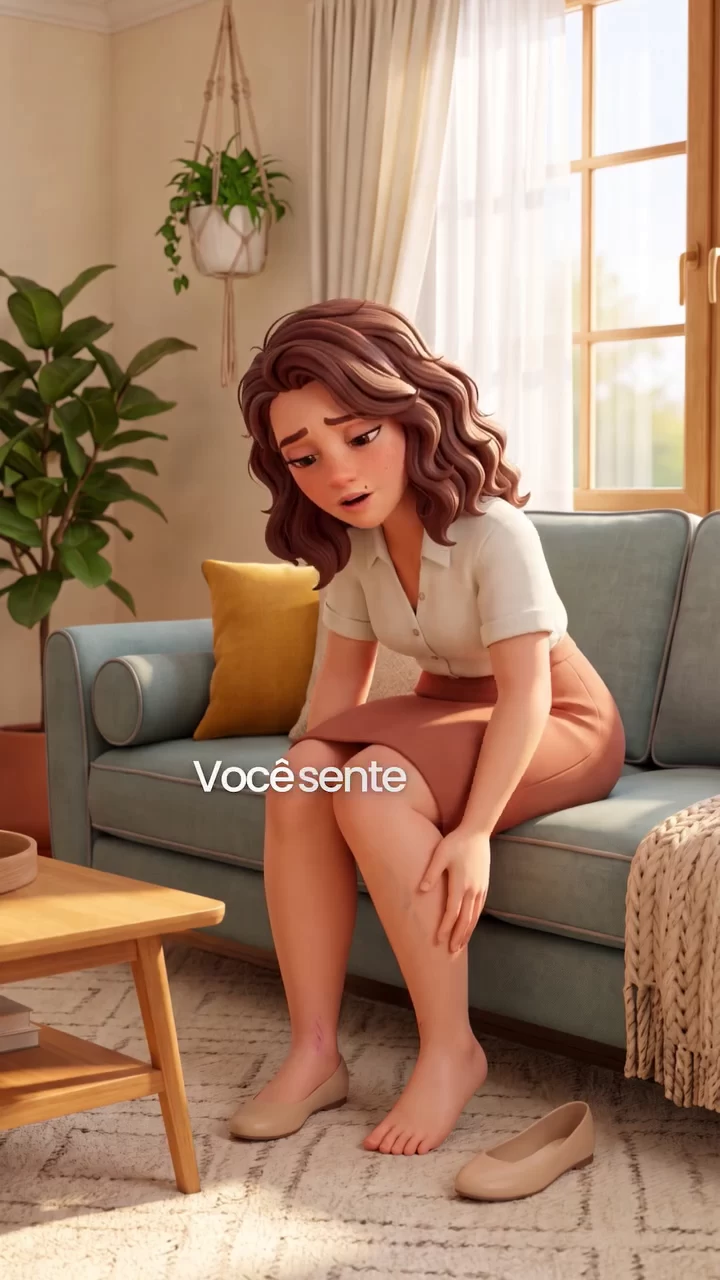
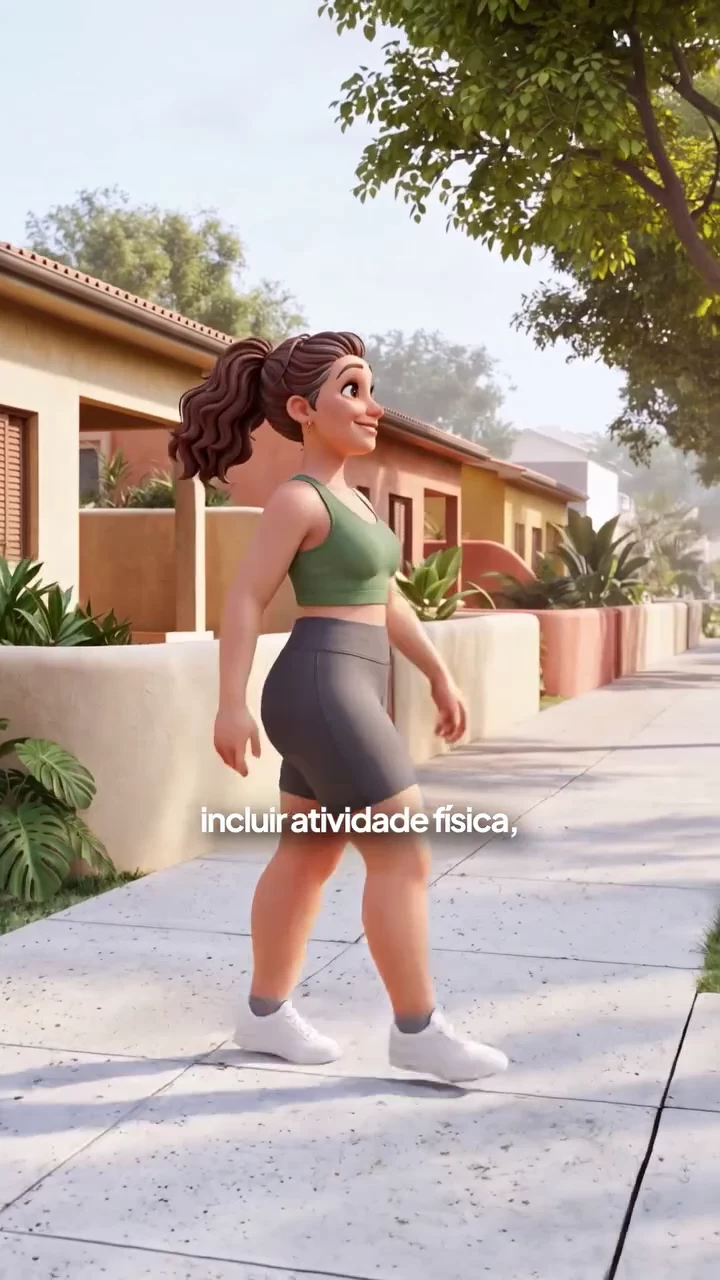
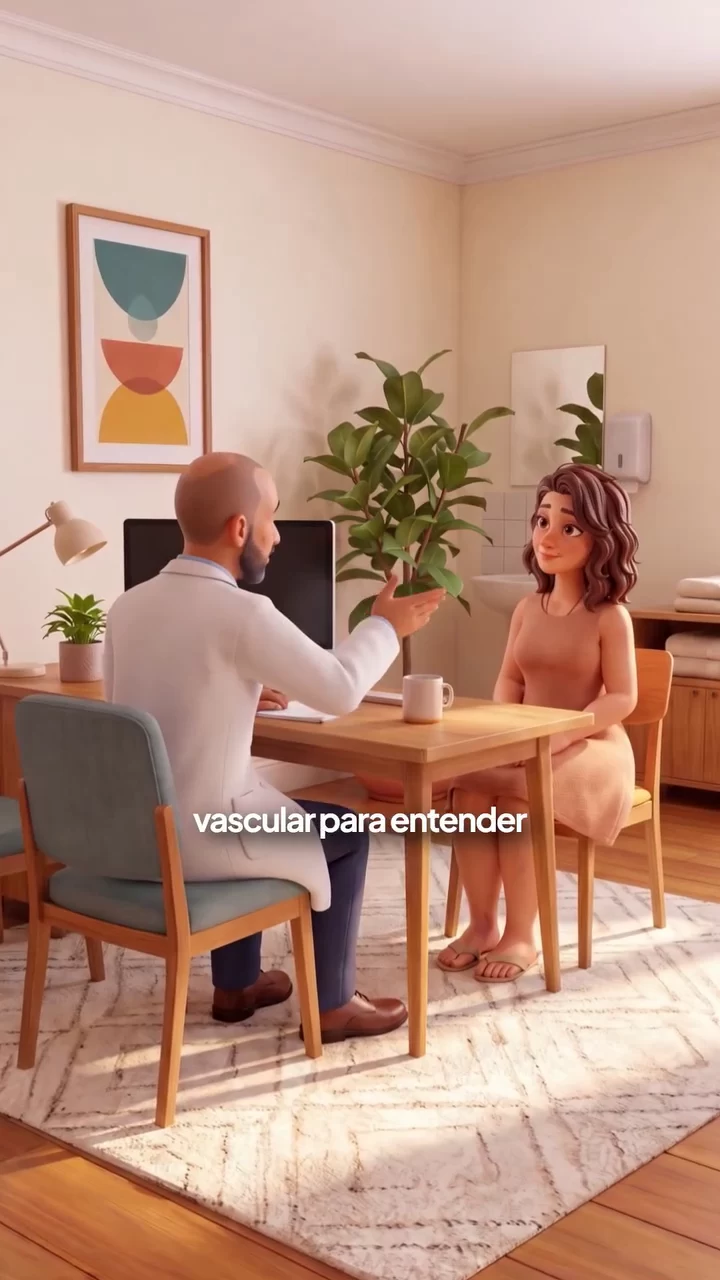
The protagonist appears at home, out walking and in the consulting room. She changes clothes, framing and situations with different intentions. To keep her recognisable between scenes, I worked with several stylesheets of the same character, including wardrobe variations.
Continuity also comes from the environment. A green sofa, wood and warm tones recur in the domestic scenes and help connect the shots. The challenge went beyond repeating a portrait: it was about preserving a visual identity as the story progressed.

From everyday life to what we cannot see
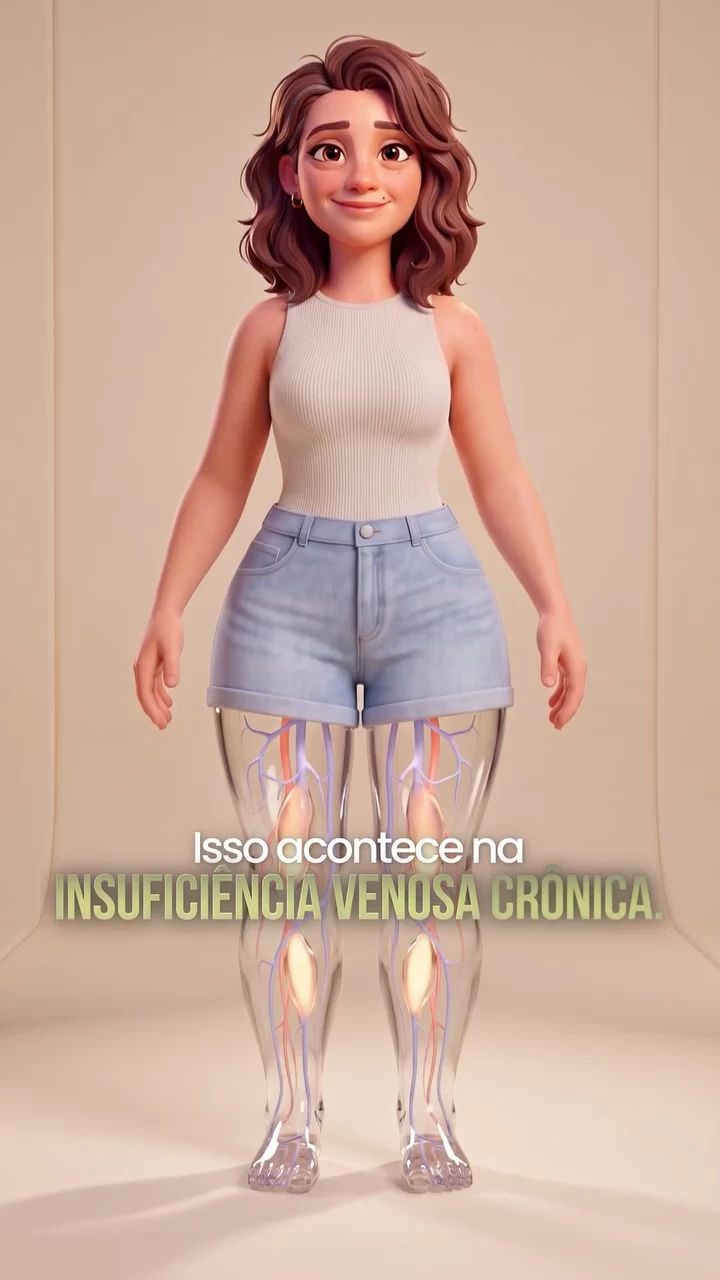
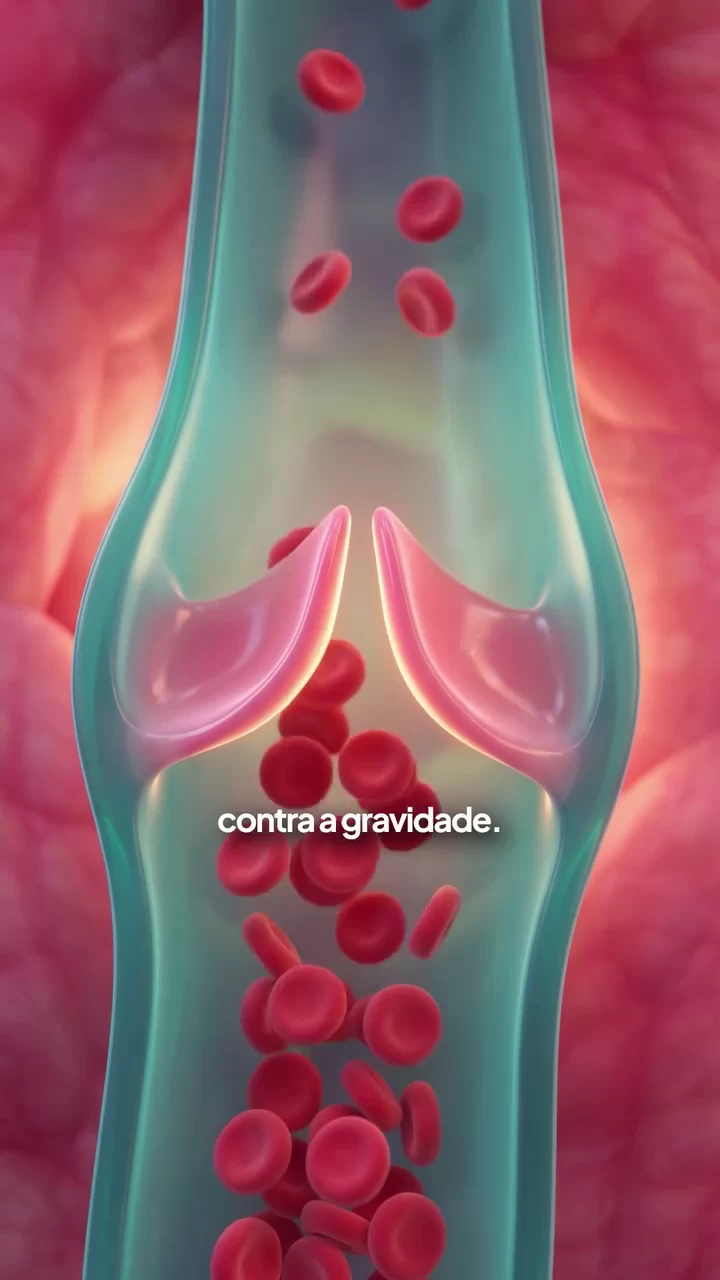
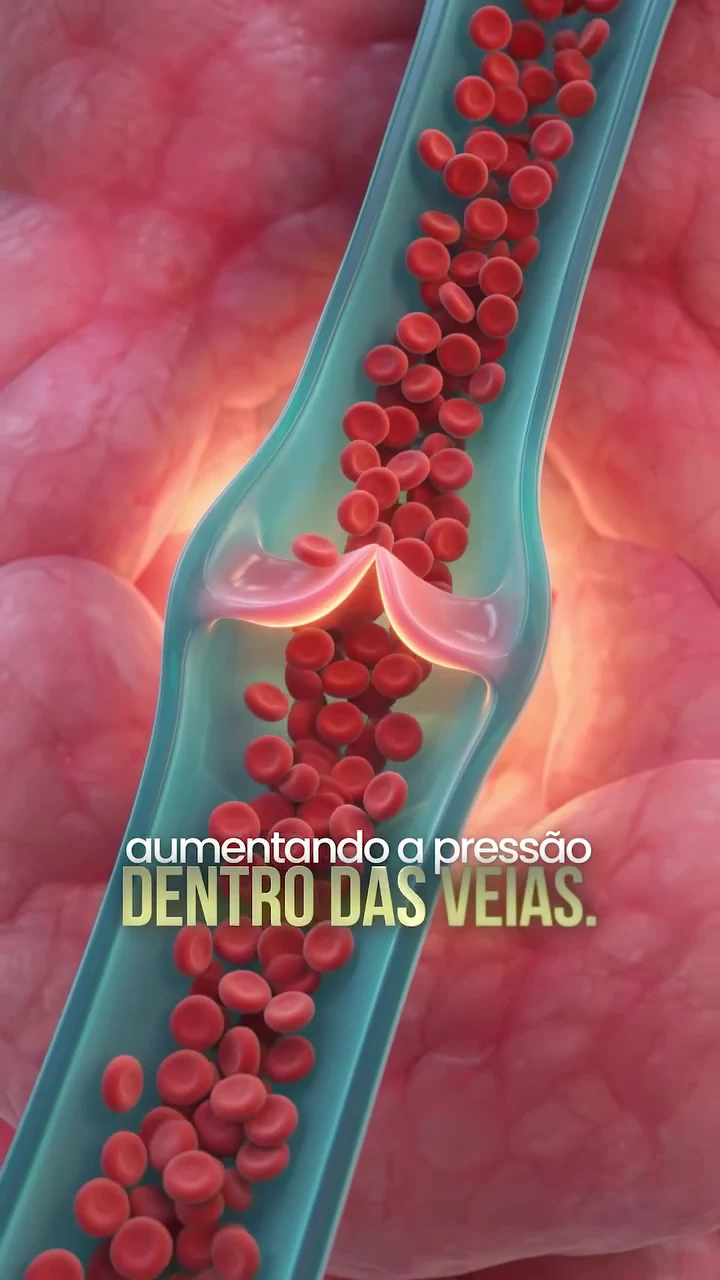
The shot of the character with transparent legs connects the human story to the anatomical visualisation. The camera then moves into a different scale: veins, valves and circulation fill the frame.
Transparency, contrasting materials and recurring colours help distinguish the structures. These images are illustrative visualisations for the story, rather than a clinical simulation. Their role in the film is to make an abstract explanation easier to follow.
AI within a production process
The workflow brought together Magnific Spaces, Nano Banana 2 and Kling 3.0. The tools were part of a process that also required references, sequence planning, editing and sound. The finished film integrates those decisions across a complete narrative.
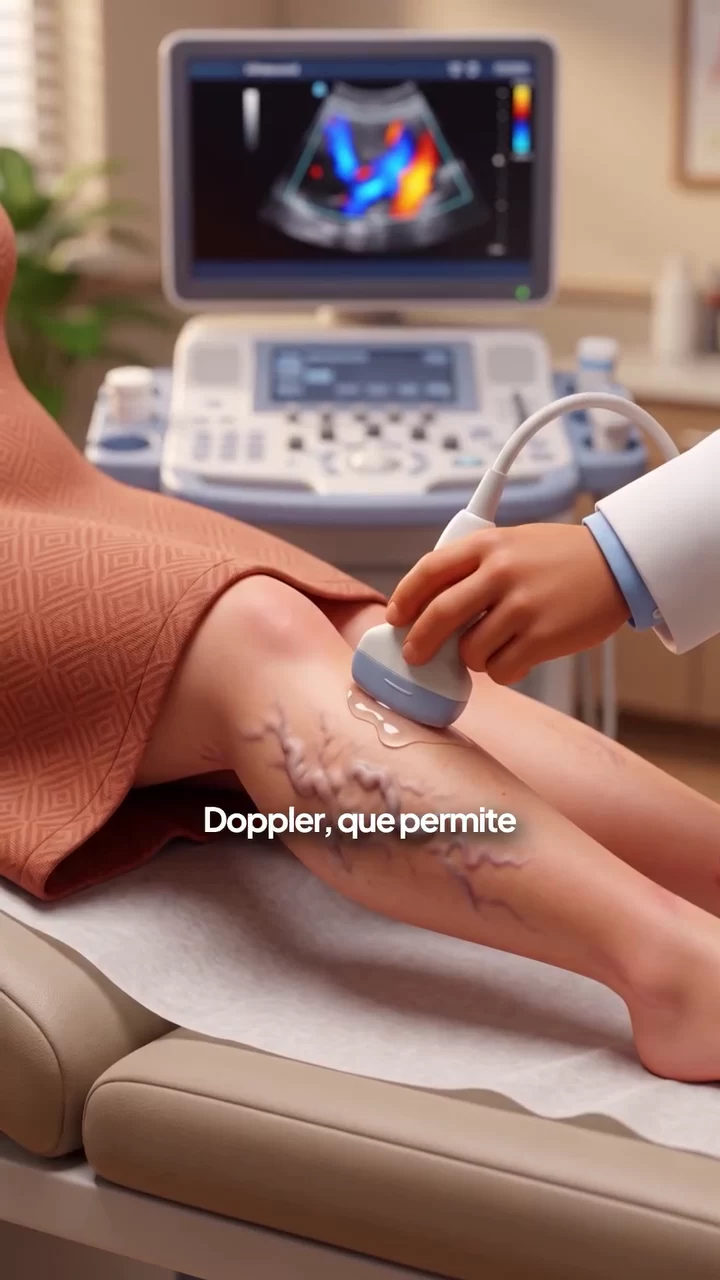
The scenes alternate between everyday gestures, details and camera moves that bring us closer. A dominant action in each shot keeps it easy to read; the edit connects the shots and controls the transition between character, anatomy and assessment in the consulting room.
Editing that follows the explanation
The opening starts with the environment and moves closer to the gesture of touching the leg. Throughout the film, the cuts return to the character after the internal scenes. Moving between scales organises the information and keeps a human reference point for the viewer.
Captions follow the explanation, while highlighted words add emphasis. During the assessment section, the examination and conversation in the consulting room bring the story back to recognisable situations, before Dr. Felipe Orsi's closing signature.
The delivery
The result is a vertical film lasting approximately 1 minute 28 seconds. This case study brings together the finished video and nine frames extracted from it, with their real timestamps, to show the transition between character, environments and internal visualisations. The embedded captions have been preserved in the frames.
This project shows how I use AI alongside planning, editing and sound to build a sequence with a beginning, development and conclusion. If you need to turn an explanation into an audiovisual story, let's talk.
Credits and technical details
Client: Dr. Felipe Orsi, vascular surgeon.
Production: PB Marketing Digital.
Script: Vitor Fumagali.
Planning, editing and sound: Bertran Evarini.
Workflow: Magnific Spaces, Nano Banana 2 and Kling 3.0.
Music: sourced from Pixabay.
Presented file: H.264 MP4, 720 × 1280, 24 fps, approximately 87.91 seconds.